6 June 2026 · 5 min read
What is Golden Eyebrow?
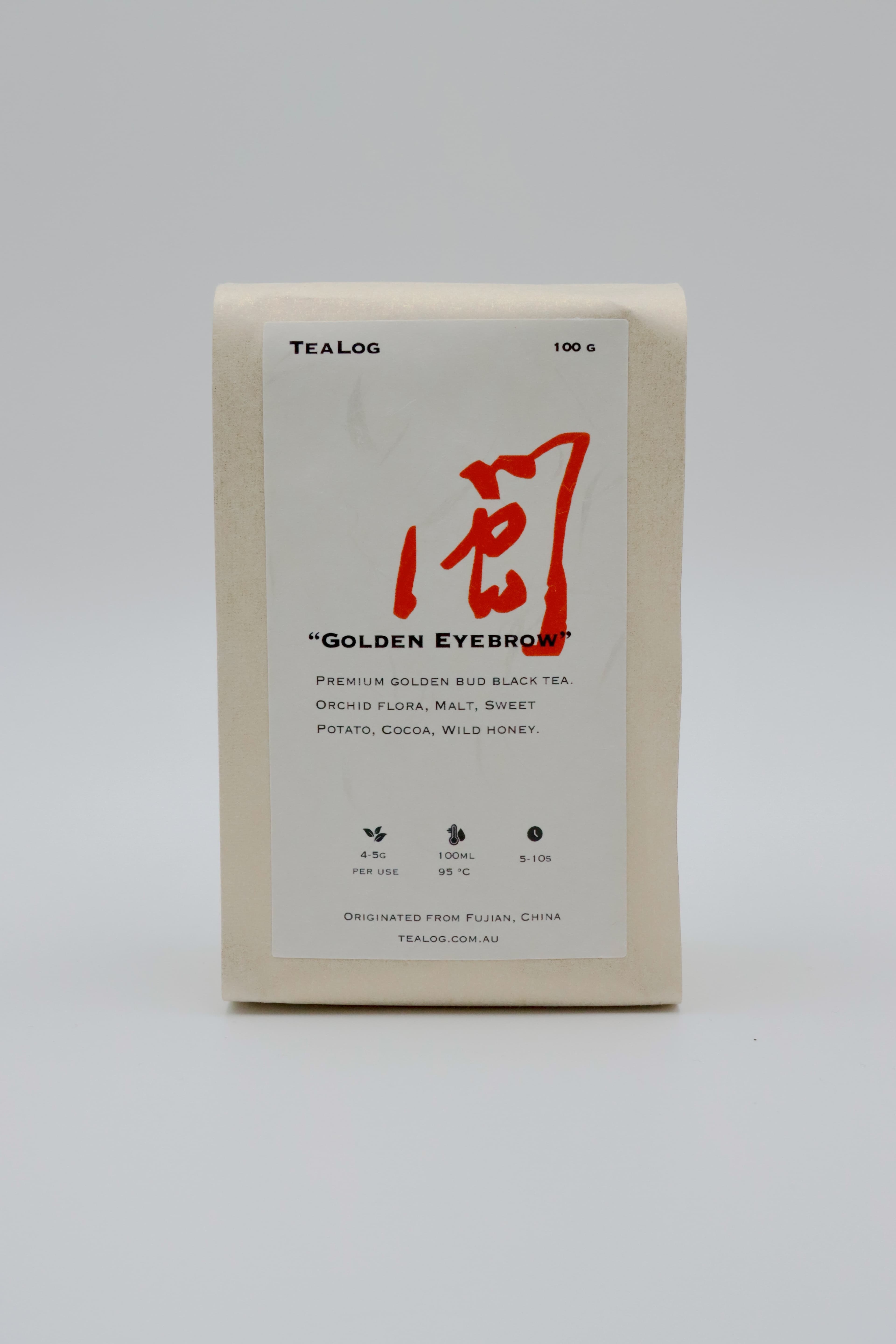
If you've spent any time exploring Chinese tea, you've probably heard Golden Eyebrow spoken about in slightly reverent tones. Known in Chinese as Jin Jun Mei (金骏眉), it's one of the most sought-after black teas in the world — and one of the youngest. Despite a heritage that runs back centuries, the tea as we know it today was created less than two decades ago. Here's what makes it special.
A modern classic from an ancient place
Golden Eyebrow is born in Tongmu, a remote village high in the Wuyi Mountains of Fujian, China. This is hallowed ground for tea drinkers: Tongmu is widely recognised as the birthplace of black tea, the home of the original smoked Lapsang Souchong. Golden Eyebrow was created here around 2005 as a refined, unsmoked expression of that same lineage — keeping the craft and the mountain terroir, but letting the leaf's natural sweetness take centre stage.
The name itself tells the story. "Jin" (金) means gold, for the downy golden tips that run through the dry leaf. "Jun Mei" evokes the fine, curved shape of those buds — like delicate eyebrows. Hold a handful up to the light and you'll see exactly where the name comes from.
Made entirely from spring buds
What sets Golden Eyebrow apart from everyday black tea is what goes into it: nothing but tender, unopened buds, hand-picked in early spring. No mature leaves, no stems — just the very tip of each shoot. It takes tens of thousands of these tiny buds to make a single batch, all picked and sorted by hand. That painstaking selection is exactly why Golden Eyebrow sits at the premium end of the shelf.
Once picked, the buds are gently withered and fully oxidised in the traditional way, then carefully dried. The result is a tightly twisted, dark leaf flecked with gold — and a brew with remarkable depth for something so delicate.
What does Golden Eyebrow taste like?
This is a black tea with none of the briskness or bitterness you might expect. Instead it's smooth, rounded and naturally sweet. Expect layers of:
- •Honey — a soft, wild-honey sweetness that lingers
- •Dried fruit and longan — that signature Wuyi black-tea character
- •Sweet potato and malt — warm, comforting, full-bodied
- •A whisper of cocoa and orchid on the finish
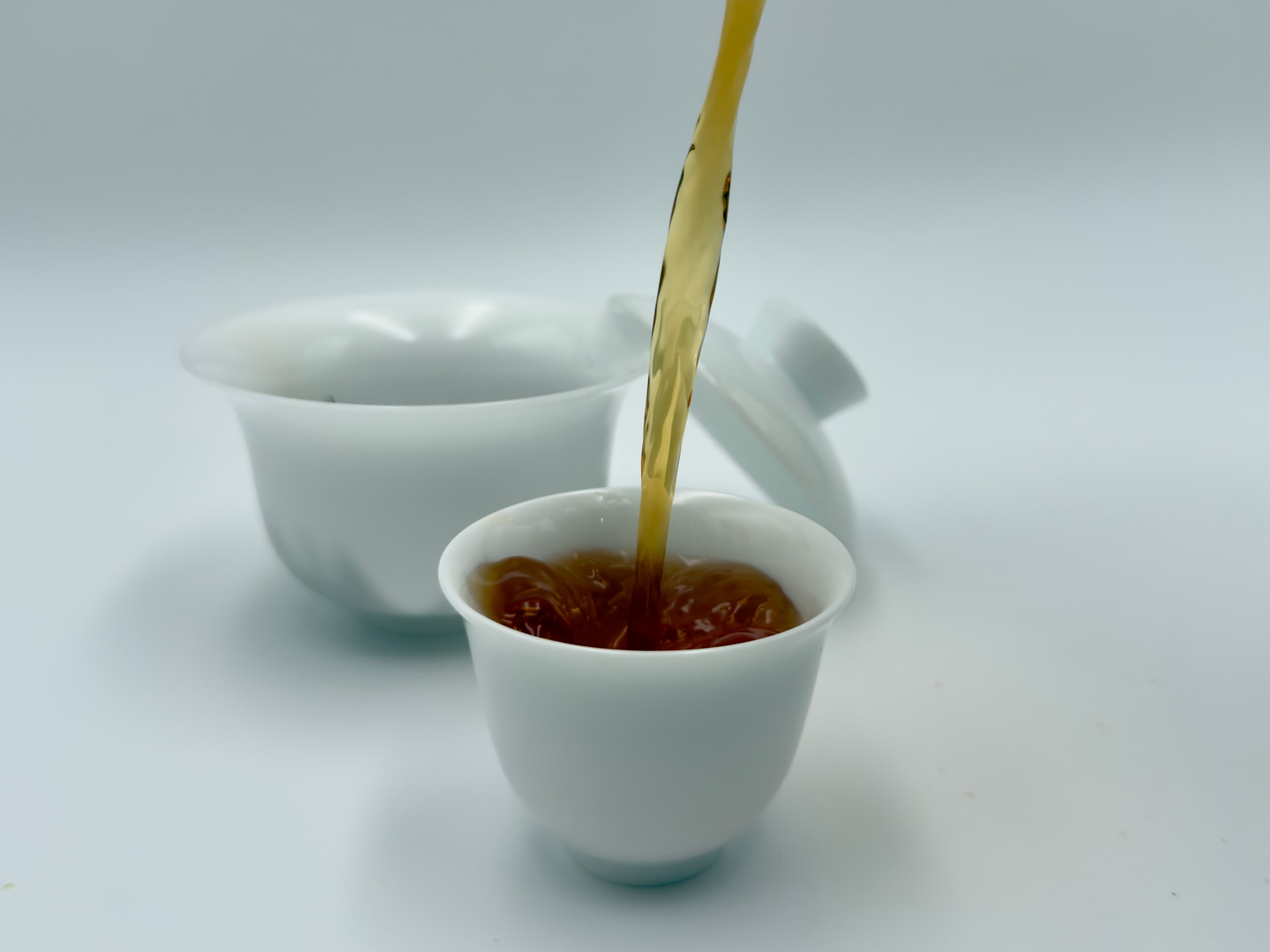
In the cup it pours a bright golden-amber, clear and glowing. It's an everyday luxury — gentle enough to drink without milk or sugar, and complex enough to keep your attention through several infusions.
How to brew Golden Eyebrow
Because Golden Eyebrow is all buds, it rewards a slightly cooler, gentler approach than a robust breakfast black tea. Boiling water can scald those delicate tips and bring out harshness — so let the kettle settle for a moment first.
- •Use about 3–4g of leaf per 150–200ml of water
- •Heat water to around 90°C (just off the boil)
- •Steep for 3–4 minutes for a full cup, or use shorter steeps gongfu-style
- •Re-steep the same leaves up to five times — each infusion reveals something new
No milk, no sugar — Golden Eyebrow is at its best enjoyed clean, so you can taste every layer.
A taste of home
In Fujian, tea is never just a drink — it's the reason a family sits down together. One of our founders grew up in the tea country of Anxi, where afternoons meant a pot brewing on the table and everyone gathered round it: grandparents, parents, children, talking and laughing and slowing down. A tea like Golden Eyebrow was part of those quiet, ordinary moments.
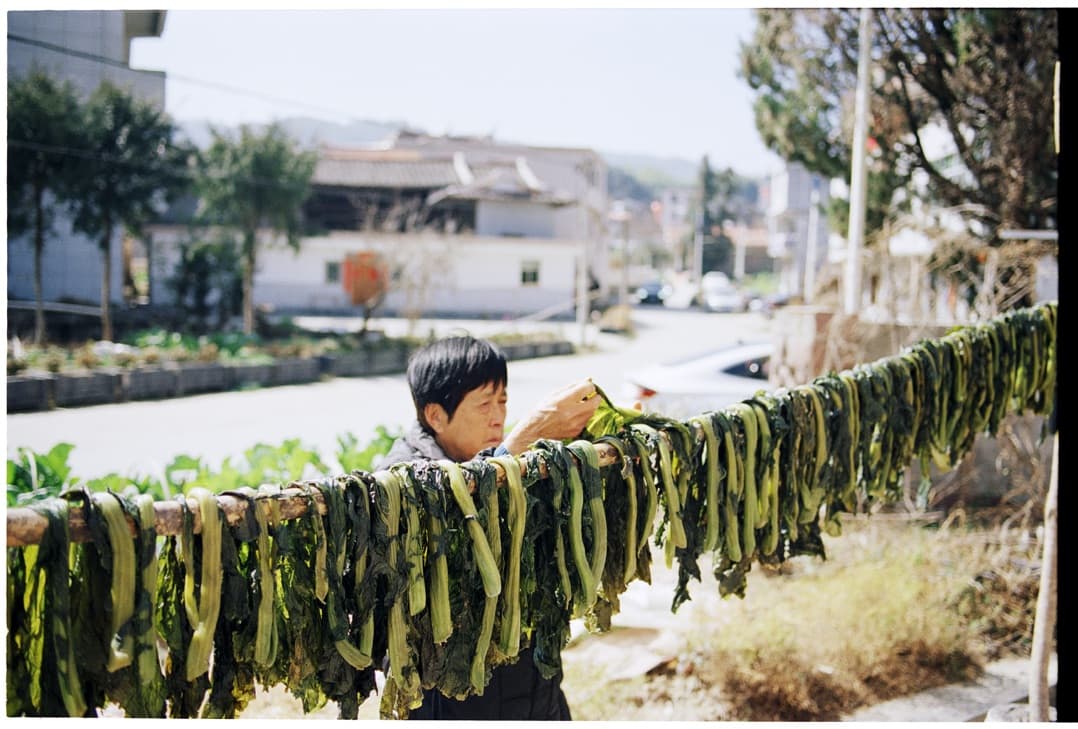
Their grandmother still lives that way. She grows her own vegetables, pickles them by hand, and lays them out to dry in the mountain sun — the same patient, made-by-hand rhythm that goes into a good tea. Nothing rushed, nothing wasted, everything done with care.
That warmth is what we wanted to carry from Fujian to Australia. Every time you brew a cup of TEALOG, we hope a little of that family table travels with it — wherever in the world you happen to be sitting.