4 July 2026 · 4 min read
What is Tangerine Pu-erh?
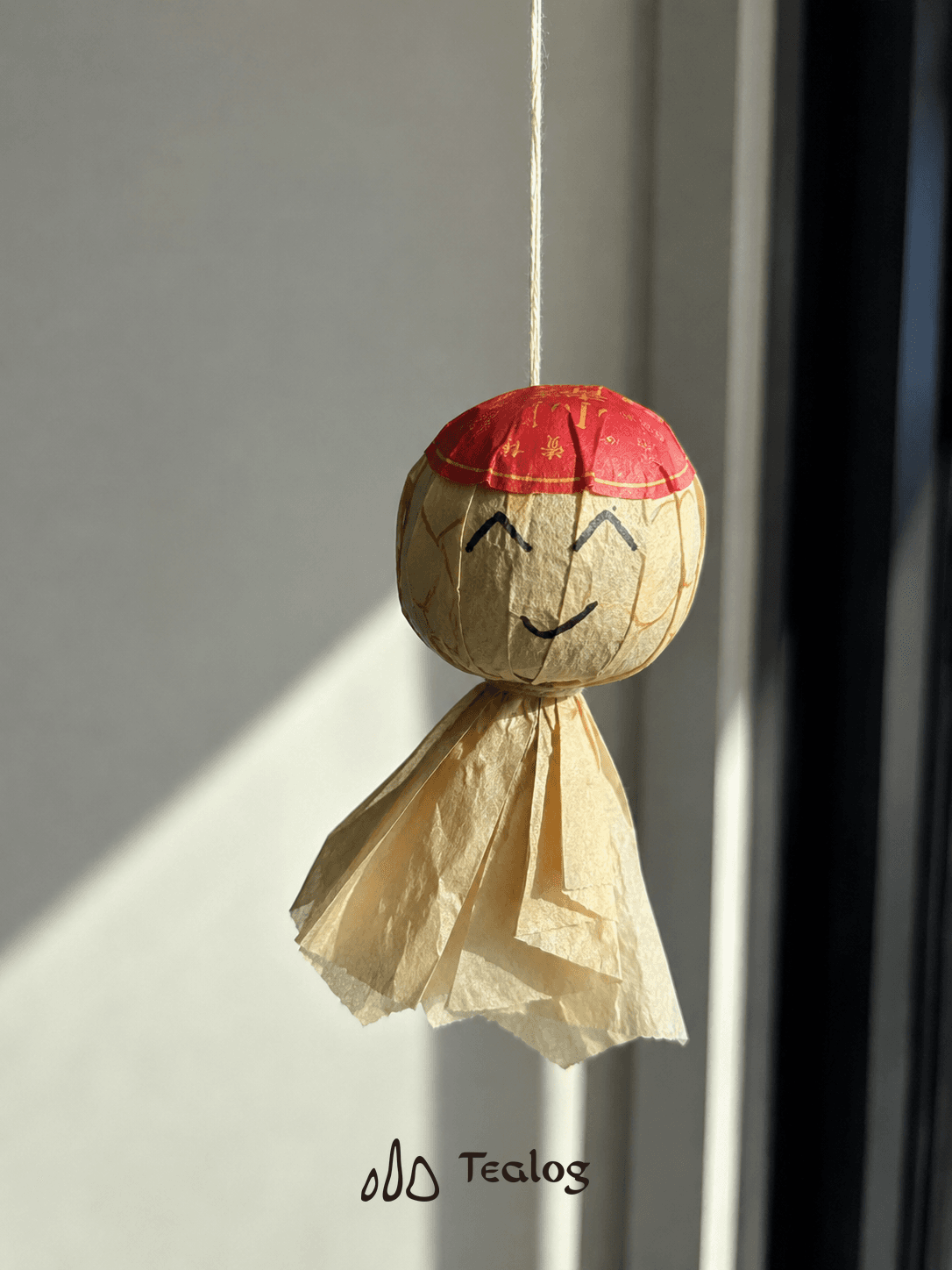
Yes — that cheerful little face is a tea. We couldn't resist dressing one of ours up as a sunny-day doll, because that's exactly how it makes us feel. But underneath the smile is one of the most comforting cups in all of Chinese tea: Tangerine Pu-erh, known in Chinese as Xiao Qing Gan.
A whole mandarin, packed with tea
Tangerine Pu-erh is exactly what it sounds like. A whole young green mandarin is carefully hollowed out, filled with smooth ripe pu-erh from Yunnan, then capped and slowly dried. As it ages, the fragrant citrus peel and the earthy tea mature together — the peel perfuming the tea, the tea softening into the fruit. Brew the whole little parcel and you get both at once.
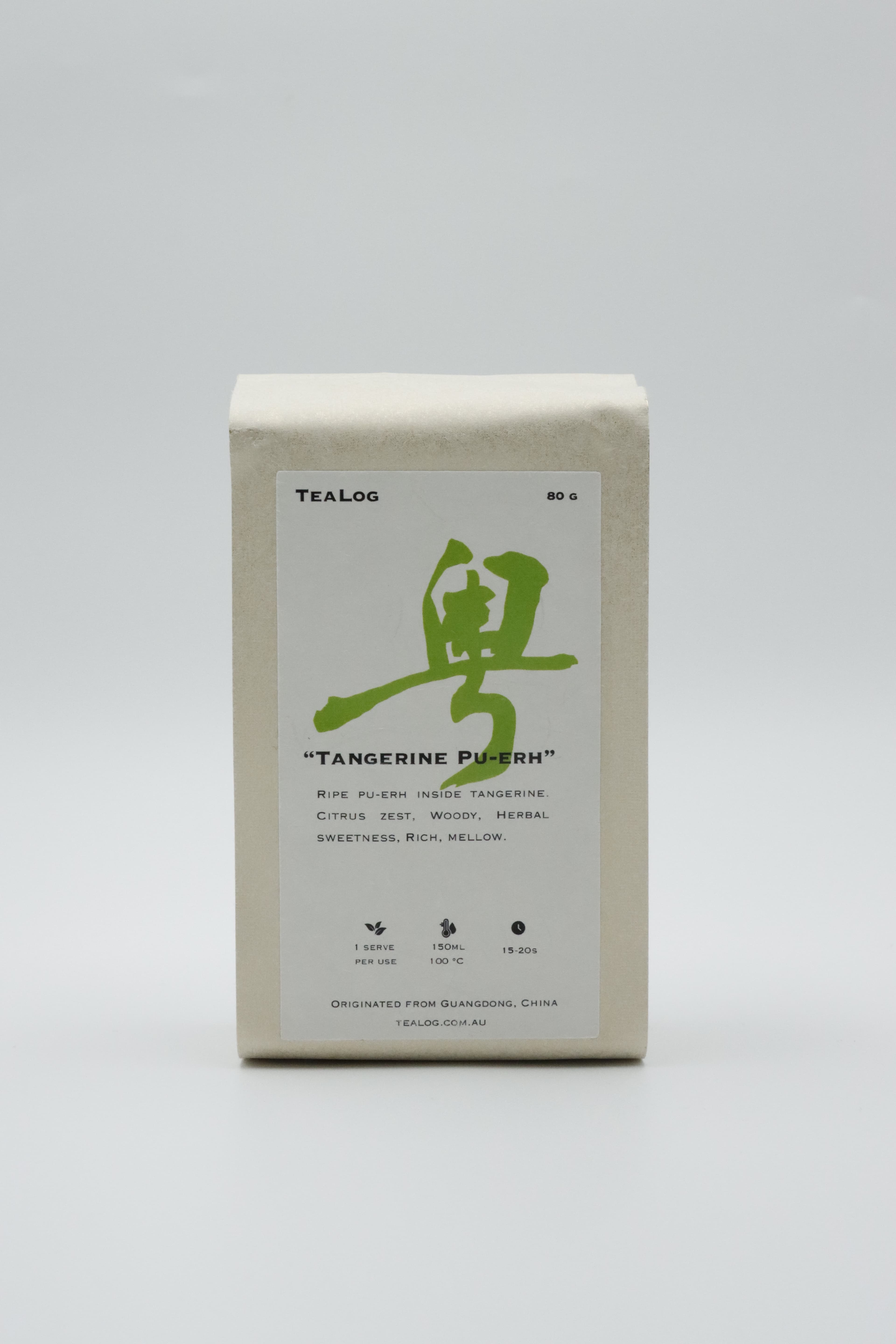
Kind to your throat
This is the cup we reach for when our voice has done a full day's work. In Chinese tea tradition, mandarin peel has long been treasured as warming and soothing, and paired with mellow pu-erh it makes a brew that feels wonderfully gentle and comforting on the throat. If you talk for a living — teachers, singers, anyone whose voice carries them through the day — Tangerine Pu-erh is a lovely one to keep close.
The flavour is warm and rounded: bright, fragrant mandarin lifting the smooth, earthy sweetness of ripe pu-erh. Easy to love, easy to drink all afternoon.
How to brew it
- •Pop the whole fruit (or a broken-off piece of peel with some tea) into a pot or gaiwan
- •Pour over freshly boiled water — around 100°C
- •Steep for 2–3 minutes for the first cup
- •Re-steep again and again — it only gets smoother, and the last infusions are some of the best
A little sunshine, from us to you
At TEALOG, we bring Tangerine Pu-erh — fresh and genuinely authentic — from its home in China all the way to Melbourne. It's a warm, kind, throat-soothing cup that we think everyone should get to try. A little sunshine in a mandarin, made in the East and meant for anywhere.